


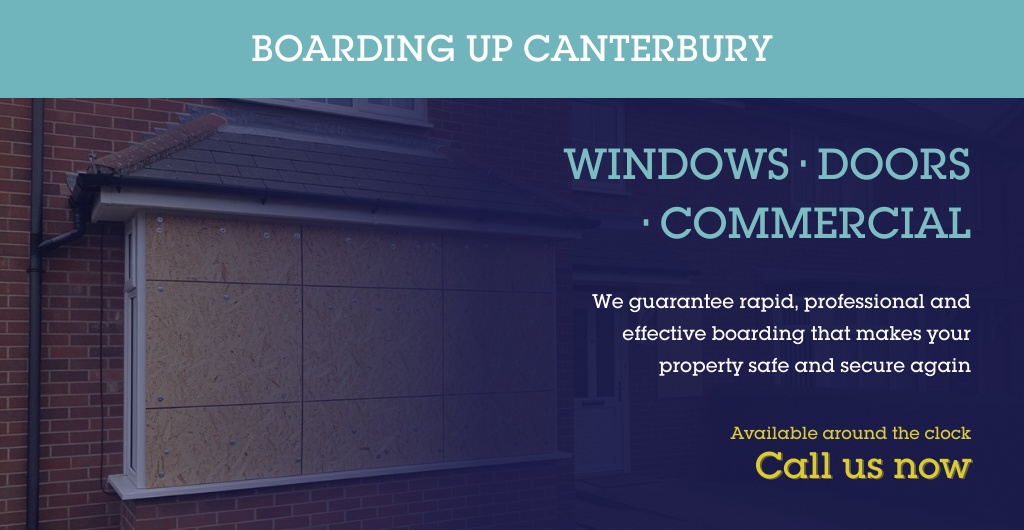
Boarding Up for Vacant Properties in Canterbury (CT) — Secure Empty Buildings Properly
A vacant property can go from “fine” to “vulnerable” surprisingly quickly. Once a building is empty — between tenancies, awaiting probate, mid-refurb, or sat on the market — it can attract opportunistic break-ins, vandalism, fly-tipping, and weather damage that would normally be noticed and dealt with straight away.
At Boarding Up Canterbury, we help landlords, homeowners, estate agents and facilities managers secure vacant properties across the CT postcode area. We’re fully insured, have 10+ years’ trading, and our technicians are DBS-checked — which matters when you’re handing over access to an empty building.
If you need urgent help after a break-in or smashed window, use our dedicated emergency page: emergency boarding up. If it’s planned security for a void property, we can still attend quickly and give you a clear, honest plan for making the site safe.
Why vacant properties need a different approach
Vacant buildings have two big problems:
- No natural “oversight” — damage can go unnoticed for days or weeks.
- Security risk stacks up — once an intruder learns a building is empty, they may come back.
A quick “temporary boarding” fix can be enough for a single broken pane — but many empty properties need more robust measures, especially if the property will remain unoccupied for any length of time.
We aim to secure property in a way that:
- discourages repeat entry
- reduces weather ingress (wind-driven rain is a common cause of secondary damage)
- keeps access manageable for authorised visits (agents, contractors, insurers)
- creates a clear record for insurance and property management
If you’re not sure what level of security you need, we’ll talk it through on the phone and explain options based on the openings, the condition of frames, and whether the building is likely to be targeted again.
Typical scenarios we’re called to vacant properties for
Vacant properties aren’t all the same — a boarded-up shop unit has different pressures to an empty flat. Here are the most common call-outs we see across Canterbury and the wider CT area.
Break-ins and repeated attempts
Empty buildings are often tested: one forced entry attempt becomes two, then three. Even if nothing is taken, the damage to doors, locks and frames can leave the property exposed.
If you need to board up a door after forced entry (or the door can’t be secured with its existing lock), we’ll advise on the best way to make it safe and stop removal from the outside. See: door boarding in Canterbury.
Related guidance: burglary repairs and boarding.
Smashed windows, cracked glazing and accessible ground-floor openings
A smashed window is the classic trigger for urgent action — not only for security, but because wind and rain quickly turn a single broken pane into ruined floors, damaged plaster, and damp that takes months to dry.
We can board up broken windows using the appropriate materials and fixing methods for the opening. See: window boarding in Canterbury.
Related guidance: vandalism repair and boarding.
Shopfronts and commercial units standing empty
Empty retail units can look like easy targets. Large panes and frequent footfall can mean higher risk of impact damage and opportunistic entry.
Where needed, we can secure commercial glazing and wider openings with stronger sheeting and anti-tamper fixings. See: shopfront boarding in Canterbury.
Storm damage during void periods
Loose slates, damaged rooflights, or debris impact can leave holes that aren’t noticed right away when a property is empty. The longer it’s left, the more likely it is that water ingress creates expensive secondary damage.
If the issue is overhead (roof, skylight, rooflight), we’ll discuss safe access and the best way to weatherproof and secure the opening. See: roof boarding in Canterbury.
Related guidance: storm damage make-safe.
Fire-damaged or flood-affected empty buildings
After a fire, the priority is usually to secure the property once the emergency services have finished — especially if doors/windows have been removed or left open for ventilation.
After flooding, frames can swell and become unreliable, and some openings won’t close properly. We can still secure them, but we’ll be honest if the structure is too compromised for non-destructive methods.
Related guidance:
How we secure vacant properties (methods and materials)
The right method depends on what’s damaged, how long the property will be empty, and whether you need regular authorised access (for viewings, inspections, or contractors).
Step 1: Risk check and “make safe” assessment
When we arrive, we’ll check:
- which openings are vulnerable (not just the obvious broken pane)
- whether frames are sound enough for secure fixings
- whether there are signs of repeated attempts or entry points around the rear/side
- whether there are hazards on site (loose glass, unstable frames)
If anything is too damaged for a standard approach, we’ll explain what that means and what the safer options are before proceeding.
Step 2: Choosing the right sheeting (plywood vs OSB)
We commonly use:
- 18mm exterior-grade plywood for stronger, more durable window and door boarding where security matters
- 12mm OSB for smaller or lower-risk openings (depending on the situation and size)
We don’t use a one-size-fits-all thickness. The goal is to secure property sensibly without creating unnecessary cost or overbuilding the solution.
Step 3: Fixing methods that reduce tampering
For vacant properties, the fixing method matters as much as the board itself.
Depending on the frame and access, we may use:
- anti-tamper fixings (important when a property will be unattended)
- through-bolting where appropriate for strength
- non-destructive fixing methods where the frame and surround allow it, to minimise additional damage
We’ll also consider how the property will be managed. If you need regular internal access, we’ll discuss ways to keep things secure while still workable for authorised entry.
Step 4: Doors, access and “secure entry” options
Where a door has been forced or the lock side is split, a simple board-over may secure the opening short-term — but it can also be inconvenient for property managers if it needs to be opened and re-secured repeatedly.
In those cases, we may recommend a temporary steel door as a more practical medium-term option (especially on void properties with ongoing visits). We’ll explain when it’s appropriate and what it achieves: improved resistance to attack, controlled access, and better repeatability for inspections.
For many properties, though, straightforward door boarding is enough. See: door boarding in Canterbury.
Step 5: Evidence and paperwork for landlords, agents and insurers
If the property is insured (or managed on behalf of someone else), documentation matters.
Where requested, we can provide:
- time-stamped photos of the damage and the completed boarding
- an itemised invoice
- a brief work statement describing what was done and the materials used
We’re not loss adjusters and can’t approve claims — but we can provide the sort of paperwork insurers typically ask for. More guidance here: insurance claims support.
What to do right now if your vacant property has been targeted
If you’ve just discovered a break-in, smashed window, or open door at an empty building, use this as a practical checklist.
- Don’t enter if it feels unsafe. If there may be intruders, hazards, or structural instability, step back and call the police.
- Take photos if safe to do so. Wide shots and close-ups help with claims and reporting.
- Get your crime reference number (if applicable). Insurers often request it for burglary/vandalism.
- Call us to secure the property. We’ll ask what’s happened, what’s damaged, and whether the site is accessible. For urgent help, go straight to: emergency boarding up.
- Notify your insurer or property manager early. Don’t wait days — prompt action reduces the risk of “secondary damage” disputes.
If you need general information first, what is boarding up? explains the basics and when it’s used.
Vacant properties we commonly secure
We can help with void buildings of all types, including:
- empty houses between sale and completion
- probate properties awaiting decisions or clearance
- flats between tenants
- vacant retail units and offices
- empty outbuildings and small industrial units
- properties mid-refurb where glazing/doors are temporarily missing
If you manage mixed portfolios, you may also want to read:
Vacant property boarding up across Canterbury and CT postcodes
We cover Canterbury and the wider CT postcode area (CT1–CT50) and prioritise urgent security risks. We can’t honestly guarantee a fixed arrival time because traffic, access issues, and live emergency workloads vary — but when you call we’ll give you a realistic ETA and talk through what to do while you wait.
You can see local coverage information here: areas we cover. Popular nearby pages include:
- boarding up Canterbury CT1
- boarding up Sturry CT2
- boarding up Whitstable CT5
- boarding up Herne Bay CT6
FAQs — boarding up vacant properties
Do you offer 24/7 boarding up for empty properties?
Yes — if you need urgent help, we provide 24/7 boarding up across Canterbury and CT areas. The main difference with vacant properties is that we’ll often recommend more tamper-resistant methods if the building will remain unattended.
For urgent situations, see: emergency boarding up.
Can you board up a vacant property without me being there?
Often, yes — but it depends on access. Many landlords and agents arrange keys, a lockbox, or meet-on-site access. If the property is already open or insecure, we’ll talk through the safest option on the phone.
If access can’t be arranged, we’ll explain what we can and can’t do from the outside without risking unnecessary damage.
What’s the best option if the property will be empty for weeks or months?
It depends on the building and risk level. Stronger plywood with anti-tamper fixings is common, and for repeated break-ins we may recommend more robust solutions such as a temporary steel door rather than repeatedly boarding and re-boarding a damaged entrance.
We’ll explain the pros and cons so you can choose what’s proportionate.
Will boarding up stop condensation or damp in an empty building?
Boarding up secures openings, but it isn’t a damp-proofing or ventilation system. In some cases, sealing an opening tight after a flood or leak can worsen internal moisture problems.
Tell us if the building is damp, has standing water, or needs airflow for drying — we’ll factor that into how we secure it.
For flood-related issues, see: flood damage boarding and securing.
Can you secure a property after vandalism or a smashed window?
Yes. A smashed window is one of the most common reasons we’re called out. We can make safe, remove immediate risk where possible, and board up broken windows to protect against entry and weather.
See: window boarding in Canterbury and vandalism repair and boarding.
Do you provide paperwork suitable for insurers or managing agents?
We can provide an invoice and supporting documentation such as photos and a work summary, which is often what insurers or managing agents ask for.
More guidance is available on our claims page: insurance claims support. We’re not loss adjusters, but we’ll help you present clear evidence of the work completed.
What if the door frame is too damaged to fix boards securely?
If the frame or surrounding structure is too compromised, we’ll tell you immediately and explain options before doing anything that could make it worse. Sometimes a different fixing approach is possible; other times a more robust temporary solution is the safer route.
Which CT areas do you cover for vacant property boarding?
We cover the full CT postcode area (CT1–CT50), including Canterbury and surrounding towns and villages. If you’re unsure whether your location is included, call and we’ll confirm.
Ready to secure a vacant property?
If you need to secure a property after a break-in, board up a door, or board up a broken window, we’re here to help.
Ready to get started? Call 01227 953 460 or email us for a free, no-obligation quote.
