


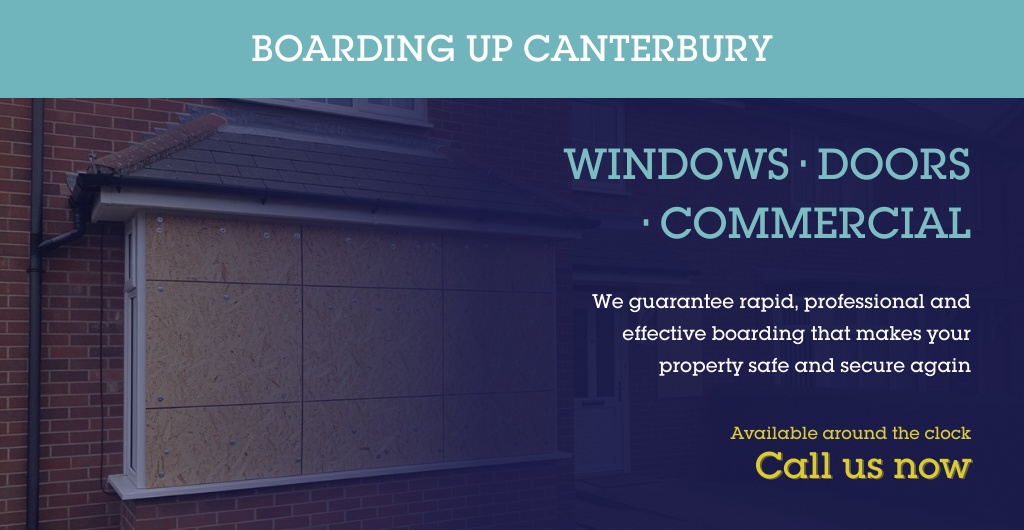
Flood Damage Boarding Up in Canterbury (CT) — Emergency Property Security
Flooding is stressful, messy, and time-sensitive. Whether it’s a burst pipe in a flat, surface water after heavy rain, or an overflow that’s pushed its way into a ground-floor shop, flood damage can leave doors and windows unsafe, warped, or simply unable to lock properly.
Boarding Up Canterbury provides emergency boarding up in Canterbury and across the CT postcode area to help you make safe and secure property after flood damage—day or night. We don’t handle drying, dehumidifying, or mould remediation, but we do what matters first: secure the building, reduce the risk of theft or further weather ingress, and help you document the incident for insurance.
Need help now? Call 01227 953 460 for immediate assistance.
Prefer email for non-urgent enquiries? info@boarding-up-canterbury.co.uk
When flood damage leads to a boarding-up emergency
Not every flood means you need boarding straight away. But there are a few common situations where temporary boarding or a more robust security solution is the safest next step.
You may need emergency boarding up after flooding if:
- A door won’t close or lock because the frame has swollen or shifted
- Glazing has cracked due to pressure changes, impact from debris, or frame movement
- A window has been forced open during the incident and won’t secure afterwards
- The property is empty (between tenancies, closed shop, second home) and you can’t monitor it
- The flood has damaged existing security (multi-point locks, hinges, or the door leaf)
- You’ve had a break-in attempt after a flood (sadly, it happens) and need to secure property urgently
If you’re dealing with a smashed window or an entry point that can’t be locked, the priority is straightforward: board up broken window, board up door, and stabilise access so the building isn’t left vulnerable overnight or out of hours.
For urgent help, use our emergency page: emergency boarding up.
Or call now: Call 01227 953 460.
Why flood-damaged doors and windows become insecure (even without visible breakage)
Floodwater doesn’t need to smash glass to compromise security. A lot of post-flood call-outs are caused by movement and swelling, not obvious impact.
Common flood-related access issues we see include:
- Swollen timber doors that catch on the frame and won’t latch
- uPVC or composite doors that have shifted just enough to defeat the locking points
- Timber frames that have expanded, leaving glazing loose or beading compromised
- Saturated plaster and fixings around openings, weakening the surrounding substrate
- Softened floor thresholds that affect how doors sit and lock
If there’s any doubt, we can attend to make safe, explain what we can secure immediately, and talk through options if the frame is too damaged for non-destructive fixing methods.
What we do: how flood-damage boarding up works
The aim after flood damage is to secure the opening without making later repairs harder than they need to be. Every property is different, but the approach below is typical.
1) Quick assessment and “make safe” plan
We’ll look at:
- Which openings are currently insecure (doors, windows, shopfronts, rear access)
- Whether frames are stable enough to take fixings
- The safest fixing method given water damage (we avoid relying on saturated or crumbling material)
- Whether you need simple temporary boarding or a stronger solution for longer periods
If electrics are suspected to be affected near the opening, we’ll work cautiously and may ask you to isolate power where safe to do so (or to confirm this has been done).
2) Boarding windows properly (not just “nailing a sheet on”)
For window openings we typically use:
- 18mm exterior-grade plywood for stronger protection and better weather resistance
- 12mm OSB where appropriate for smaller or lower-risk openings
Fixings matter. Where there’s a risk of tampering, we use anti-tamper fixings and methods designed to reduce removal from outside—especially important if the property will be unattended.
If you need a specialist window solution, see: window boarding in Canterbury.
3) Securing doors after flood damage
Flooding often affects the door and frame together. If a door can’t be secured reliably, we can:
- Board up the doorway to prevent access
- Discuss a temporary steel door where a stronger, usable entrance is needed (common for vacant or tenanted properties needing controlled access)
If your main concern is access security, see: door boarding up in Canterbury.
4) Shopfronts and commercial glazing after flooding
For shops and commercial premises, flood events can leave large panes vulnerable—sometimes from impact, sometimes from frame movement, sometimes simply because the premises must be left closed overnight.
We can shopfront boarded up panels with appropriate sizing and fixings to suit commercial openings and footfall risk.
More information here: shopfront boarding in Canterbury.
5) What you receive for insurance and records
We’re not loss adjusters and we can’t advise on policy wording, but we do provide documentation insurers typically ask for, such as:
- An itemised invoice
- A clear work statement of what was secured and how
- Time-stamped photos (before/after) where possible and safe
For practical claim guidance, see: insurance claims support.
A realistic flood-damage call-out: what it often looks like
A typical job might involve a ground-floor flat or small commercial unit in the CT area where water has entered through a rear threshold or affected internal plumbing. By the time the water is controlled, the door may have swollen and the multi-point lock no longer engages.
In that scenario we’d usually:
- Confirm which openings are insecure and which can still lock
- Fit temporary boarding to the most vulnerable entry point (often the rear)
- Use exterior-grade board and suitable fixings to keep the property secure overnight
- Take photos for your records and provide an invoice and work description for your insurer or landlord
If the frame is too soft or damaged to fix into safely, we’ll explain that straight away and talk you through alternatives (for example, securing to sound structure around the opening or upgrading to a more robust temporary solution).
If you’re in this situation now, call us and we’ll give a realistic ETA based on current workload: Call 01227 953 460.
What to do immediately after flood damage (before we arrive)
If you’re dealing with flood damage in Canterbury or the wider CT postcodes, these steps help you stay safe and protect your claim.
-
Make sure everyone is safe first
Avoid standing water if electrics may be affected. If in doubt, isolate power only if it’s safe to do so. -
Stop the source if possible
Turn off the water supply for burst pipes, or follow local advice if it’s external flooding. -
Take photos and short videos (if safe)
Capture affected doors/windows, water lines, and any visible damage. Insurers often ask for “before” evidence. -
Secure valuables and sensitive documents
Move items away from openings and damp areas if you can. -
Call your insurer as early as practical
Ask what they need from you and keep a note of the claim reference. -
If an opening won’t secure, call for emergency boarding
A property that can’t lock is at higher risk—especially out of hours when it’s quiet. We can make safe and secure it with temporary boarding so you can focus on recovery.
For urgent help: Call 01227 953 460
Or see: emergency boarding up
Flood damage security options: choosing the right approach
There isn’t one “best” method—what you need depends on the opening, the condition of the frame, and how long the property may be unattended.
- Short-term window protection: plywood/OSB boarding (good for broken or unsecured glazing)
- Doorway protection: boarded doorway when locks/frames can’t be trusted
- Medium-term security: temporary door solutions where access needs to remain controlled
- Commercial protection: larger-format boarding for shopfronts, taking footfall and visibility into account
If you’re unsure, tell us what’s happened and what you’re trying to achieve (secure overnight, keep tenants safe, protect an empty unit, satisfy insurer requirements). We’ll recommend a sensible approach without overselling.
Flood damage often comes with other issues — we can still help you secure it
It’s common for flood events to overlap with other problems:
- Accidental impact while moving water-damaged items (leading to a cracked pane or broken lock)
- Vandalism to unattended buildings
- Storm-driven rain causing internal water damage through an already weak opening
If you suspect another incident alongside flood damage, we can still attend to secure property and stabilise access.
Frequently asked questions about flood-damage boarding up in Canterbury (CT)
Can you board up if the frame is soaked or crumbling?
Often yes, but it depends what material is still sound enough to take fixings. If the frame is too compromised, we’ll explain the safest alternative before proceeding. The goal is secure boarding that won’t fail overnight.
Do you cover my area outside Canterbury?
Yes. We cover Canterbury and the wider CT postcode area (CT1–CT50). When you call, tell us your postcode and what’s happened and we’ll confirm attendance and a realistic ETA.
Can you board up a door that won’t lock after flooding?
Yes—this is one of the most common post-flood problems. If the door/frame has swollen and the lock won’t engage, we can board up door access points to prevent entry until repairs are arranged. See: door boarding up in Canterbury.
I’ve got a smashed window after flood clean-up — can you board it tonight?
If you have a smashed window or exposed opening, call us. We prioritise urgent jobs and can often attend out of hours depending on workload. We can board up broken window openings and help you make safe.
Will boarding up stop more water getting in?
Boarding is mainly for security, but good-quality exterior-grade boards and correct fitting can reduce wind-driven rain getting through a damaged opening. For active water ingress or drainage issues, you’ll still need a restoration contractor—our role is to secure the building.
Can you board up a shopfront after flooding?
Yes. Flooding can leave commercial glazing vulnerable, especially if frames have moved or the premises must be left closed overnight. We can get your shopfront boarded up to deter entry and protect the opening. See: shopfront boarding in Canterbury.
Will my insurer cover emergency boarding up after a flood?
Many policies include cover for emergency security, but cover varies. We recommend you contact your insurer as soon as you can and keep all documentation. We provide invoices and photos that insurers typically request. More help here: insurance claims support.
Do you provide emergency boarding up 24/7?
We provide 24/7 boarding up support for urgent situations and prioritise emergency calls. We can’t guarantee a fixed arrival time because conditions vary, but we will give you a realistic ETA on the phone. For urgent attendance: emergency boarding up.
Get help securing your property after flood damage
If flood damage has left your doors or windows insecure, don’t wait and hope it holds until morning. We’ll help you make safe, secure property, and provide the paperwork you need for your next steps.
Need help now? Call 01227 953 460 for immediate assistance.
For non-urgent enquiries: Email us
